If there’s one thing we’ve learned about this industry, it’s that it never stands still. Where you’re an emerging artist or a seasoned pro, the “standard” route to success if every changing. Something, the best way forward is to move Off The Beaten Track, which is the first panel we attended at this year’s Wide Days Music Conference!
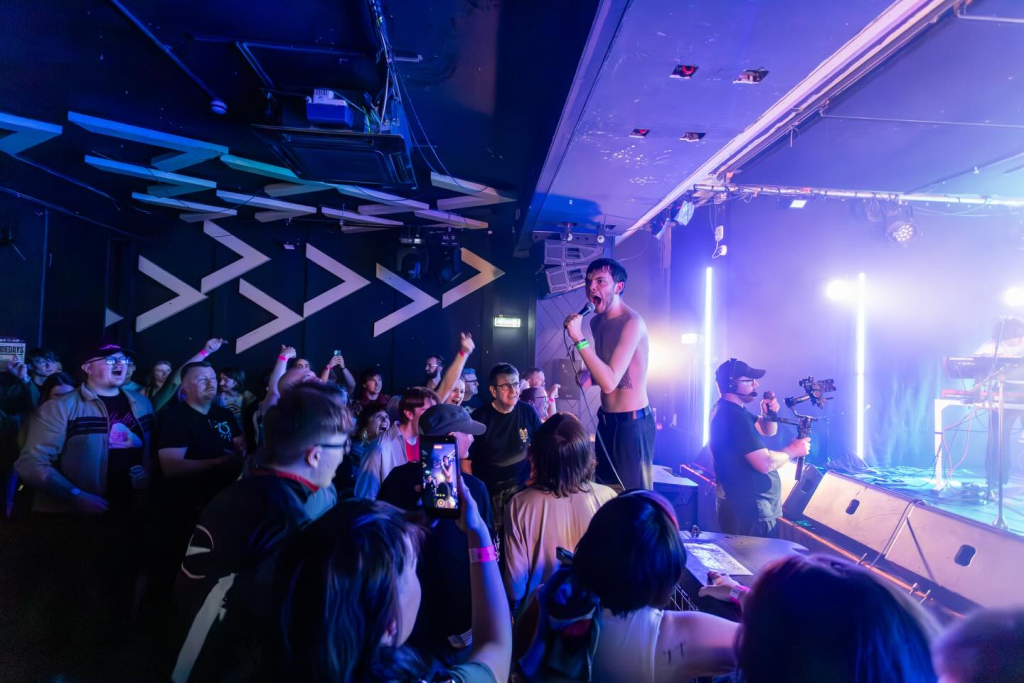
At Edinburgh’s Pleasance Theatre we listened to five professionals highlighting their journey through the ever changing touring circuit. Topics such as engaging your audience and planning a financially viable touring route passed the revue, because there’s so much more to the UK’s grassroots music industry than there is in the big cities! My personal favourite shows usually happen in the small towns that have one or two community-driven venues led by passionate professionals who have created an entire scene for themselves; Artisan Tap in Stoke-on-Trent, and The Blind Pig in Sowerby Bridge are two examples.
Aside from touring outside of the obvious examples such as London and Manchester, planning a tour comes with many challenges that could be made easier when you think outside of the box. Get creative with accommodation; look for glampsites, local fan stays, and book through websites that reward their regulars (Booking.com).
We next headed to a panel inspired by Ireland’s Basic Income for the Arts Scheme, where it was highlighted how important it is for us to take care of our artists, mentions of radio quota in Quebec and Canada were mentioned, as well as what happens at French radio stations. Ireland’s scheme will be renewed soon, which is a great step forward, hopefully England will soon follow suit.
We next spoke about accessibility, sustainability, and the digital world. The consensus among speakers was clear; the future of physical media must be green. Whether through recycled vinyl or eco-friendly packaging, artists are encouraged to look toward organisations like AGreenerFuture and the No Music On A Dead Planet campaign. By collaborating with these charities, creatives can ensure their releases remain prestigious without leaving a heavy carbon footprint.
When it comes to the digital side of the business, the conference highlighted that distribution is far more complex than simply hitting an upload button. Experts from EmuBands shared a fifteen minute talk on pitching to streaming platforms, but could’ve talked for hours, yet were still able to give us all some incredible tips and pointers on how to best pitch our music. Beyond the technical, there is a human element to digital strategy; using tools like Artist Picks to highlight local bands helps tell a broader story. Sharing the narrative behind a track and a concrete marketing plan proves to editors that an artist is a serious professional, not just a casual uploader.
Building a long-term career requires treating music as a tangible asset, a point driven home by industry veteran Mark Garfield of Pop-Up Music. His advice was simple but vital: build a catalogue rather than focusing on a single isolated release. This involves ensuring all rights agreements are watertight and that memberships with organisations like PRS are up to date to ensure proper payment. Aside from that, releasing or having instrumental versions or alternative mixes in your back pocket isn’t just about providing filler; it is a strategic move to create a goldmine for sync opportunities.
Cracking the world of sync remains a primary goal for many, and Wide Days provided a roadmap to the gatekeepers. Ultimately, Wide Days 2026 served as a reminder that while the industry is in a state of flux, the diversity of opportunity has never been greater. Success in the modern landscape requires a blend of creativity, sustainability, and a proactive approach to rights management. By staying informed and maintaining a lively presence across both physical and digital spaces, artists can navigate these changes and thrive in this new era of music!